
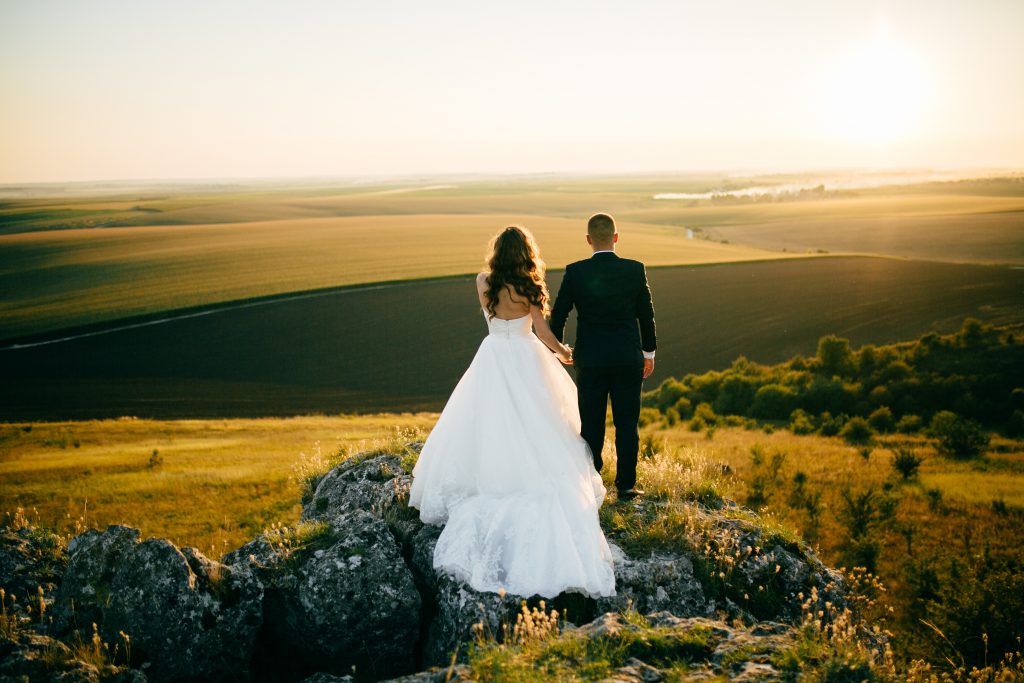
The Story Behind Every Wedding
Every wedding has a story waiting to be told, and flowers are its most eloquent storytellers. They capture emotions, mark milestones, and transform spaces into experiences that guests remember long after the day is over. Wedding flowers are not just decoration; they are living expressions of love, memory, and personality, translating the unique journey of each couple into blooms, colours, textures, and scents.
The journey of creating the perfect floral design begins with understanding the couple’s story. Perhaps it is the peonies that bloomed during a first spring date, the roses marking a winter proposal, or the delicate scent of jasmine that evokes cherished moments. These personal connections become the foundation for selecting flowers that feel authentic and meaningful. Flowers are living storytellers, translating love into blooms that capture both memory and emotion.
Symbolism adds another layer of depth to wedding florals. Roses express devotion and passion, peonies suggest prosperity and happiness, lilies signify purity and new beginnings, and orchids convey elegance and strength. By incorporating flowers with symbolic significance, the wedding becomes more than a visual celebration; it becomes a reflection of love, values, and shared experiences. Choosing seasonal blooms enhances authenticity, ensuring every bouquet and arrangement feels connected to the natural rhythm of the year.
Designing Emotional Experiences
Creating a wedding day that reflects a couple’s personality is more than selecting flowers. The shape of a bouquet, the texture of a centrepiece, and the placement of blooms throughout the venue all contribute to the emotional experience. A cascading floral arch can create romance and grandeur, while a hand-tied bouquet of seasonal flowers evokes intimacy and charm. Every detail, from foliage choices to subtle colour transitions, works together to harmonise with the venue, lighting, and overall aesthetic.
The process is highly collaborative. Couples work closely with florists to translate memories, values, and personal style into cohesive floral designs. Sketches, mood boards, and seasonal guidance help visualise the concept before the wedding day. By approaching the design in this way, each arrangement feels purposeful and intentional, rather than simply following trends or aesthetic checklists.
Real weddings showcase how thoughtfully designed florals elevate a celebration into a living, breathing story. Intimate garden ceremonies, elegant ballroom events, and outdoor gatherings illustrate how seasonal, symbolic, and carefully chosen flowers create immersive experiences. Every bloom, colour, and texture is selected to tell a story, making a wedding day not only visually stunning but deeply felt.
This article will guide readers through the journey of turning wedding concepts into full bloom. From discovering the inspiration behind each celebration to selecting meaningful flowers and designing arrangements that bring spaces to life, it will showcase how real weddings can be crafted with intention, creativity, and emotional resonance. Every petal tells a story, and every bloom leaves a memory.
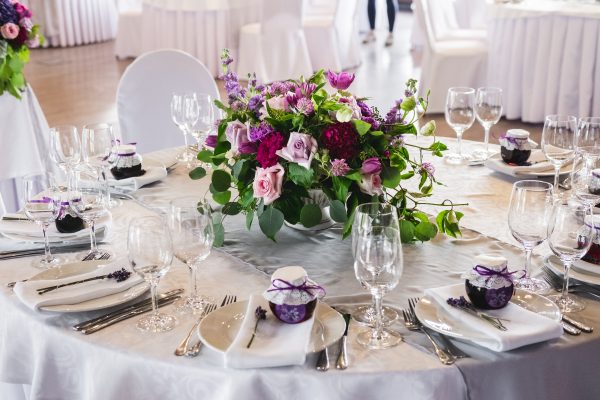

1. Understanding Wedding Concepts
Turning Ideas into a Vision
Every wedding begins with an idea, a vision that reflects the personalities, experiences, and values of the couple. Creating floral designs that truly capture this vision requires more than selecting pretty flowers. It involves translating the emotions, memories, and stories that define the relationship into living, breathing arrangements. A wedding concept is the blueprint for a floral narrative, guiding every bloom and arrangement.
The first step in developing a concept is understanding the couple’s story. Florists explore meaningful moments, favourite places, and cherished traditions that form the foundation of the relationship. Perhaps it is a shared love for coastal landscapes, a garden where a proposal took place, or a city that holds special significance. These stories inspire the choice of flowers, colours, textures, and arrangements, ensuring that every detail resonates personally with the couple.
Aligning with Venue and Season
The venue and season play a pivotal role in shaping the floral concept. Historic estates call for lush, romantic arrangements, while modern urban spaces benefit from minimalist, sculptural designs. Outdoor ceremonies in gardens or vineyards are complemented by seasonal, flowing blooms that harmonise with the natural surroundings. Seasonality is not just practical; it enhances freshness, vibrancy, and the authentic feel of the wedding. Spring offers delicate tulips, ranunculus, and lilacs, summer celebrates peonies, dahlias, and sunflowers, autumn blooms in rich hues of chrysanthemums and amaranths, and winter brings evergreens, hellebores, and berries.
Defining Mood and Style
Every couple envisions a particular mood for their wedding. Romantic celebrations may feature soft textures, trailing vines, and pastel tones that evoke intimacy and nostalgia. Modern aesthetics often embrace bold colours, architectural blooms, and striking contrasts. Bohemian-inspired weddings favour free-flowing arrangements, wildflowers, and unexpected textures.
The style of floral arrangements should reflect personality, creating visual and emotional harmony across every detail. Developing a wedding concept is inherently collaborative: couples work with expert florists to explore inspirations and refine their vision into a cohesive plan. Sketches, mood boards, and sample arrangements help visualise how memories and emotions will translate into flowers, ensuring each bloom feels intentional and meaningful.
From Concept to Cohesion
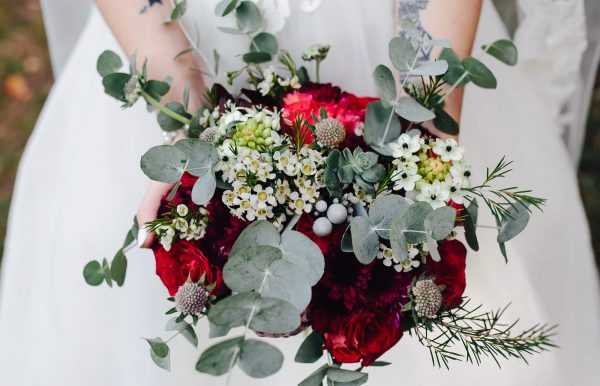
When a wedding concept is thoughtfully developed, every floral choice contributes to a cohesive, living narrative. From the bouquet in the bride’s hands to centrepieces and ceremony arches, each arrangement reflects the couple’s story and enhances the overall atmosphere. Flowers become more than decor, they are expressions of love, memory, and personal style, shaping moments that will be remembered for a lifetime.
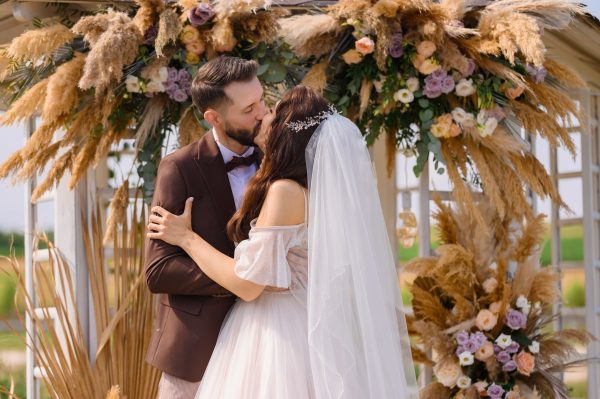

3. Choosing the Right Flowers for Your Theme
Flowers That Reflect Your Story
Choosing the right flowers goes beyond colour and aesthetics; it is about translating the couple’s story into blooms. Each flower can carry a memory, a sentiment, or a cultural reference that connects directly to the heart of the celebration. Roses speak of romance and devotion, peonies symbolise prosperity and happiness, lilies suggest purity, and orchids convey elegance and strength. Selecting flowers with meaning transforms a wedding from a beautiful event into a personal narrative that guests can feel, even if they do not know the full story.
The type of flowers chosen should harmonise with the overall style and venue. Romantic celebrations may feature soft, flowing arrangements with peonies, garden roses, and trailing greenery, enhancing the intimate atmosphere of historic estates or garden weddings. Modern weddings often embrace sculptural florals such as calla lilies or orchids, arranged in minimalist compositions that complement contemporary spaces. Outdoor ceremonies benefit from seasonal, naturalistic blooms, creating a seamless connection between the setting and the floral design. The right flowers do more than decorate; they enhance the mood and bring cohesion to every detail of the day.
Seasonal Choices for Freshness and Authenticity
Seasonality is key to authenticity, freshness, and sustainability. Spring offers ranunculus, tulips, and lilacs with delicate colours and fragrance. Summer celebrates dahlias, sunflowers, and hydrangeas that bloom at their peak. Autumn showcases rich tones of chrysanthemums, amaranthus, and deep-toned roses, while winter brings evergreens, hellebores, and berries, providing structure and seasonal charm. Working with flowers in season ensures vibrancy, longer-lasting arrangements, and a reduced environmental impact. Seasonal blooms create a natural and authentic aesthetic that feels connected to the moment and place of the celebration.
Meaningful flowers allow couples to embed memories and cultural significance into their wedding design. A bloom from a childhood garden, a flower tied to a proposal, or a plant with cultural symbolism adds depth and intimacy to arrangements. These personal touches can appear in the bridal bouquet, centrepieces, or small accents throughout the venue, quietly telling a story that is unique to the couple. Flowers are not just seen; they are felt, connecting past moments with the joy of the present.
Choosing flowers also involves thinking about how the arrangements interact across the wedding. The bridal bouquet, ceremony arch, table centrepieces, and even small details such as boutonnières or corsages should feel connected through colour, texture, and style. This cohesion ensures a unified aesthetic that reinforces the overall theme, allowing every floral detail to contribute to a seamless and immersive experience. Consistency in floral design makes the celebration visually and emotionally harmonious.
Creating Emotional Impact
Ultimately, the right flowers for a wedding theme capture attention and stir emotion. Whether it is the soft fragrance of peonies, the vibrant hue of dahlias, or the sculptural elegance of orchids, each bloom adds a layer of meaning and beauty. Thoughtful floral choices allow couples to express personality, celebrate love, and create a day that resonates with everyone present. When flowers align with story, style, and season, they transform a wedding into an experience that is unforgettable.
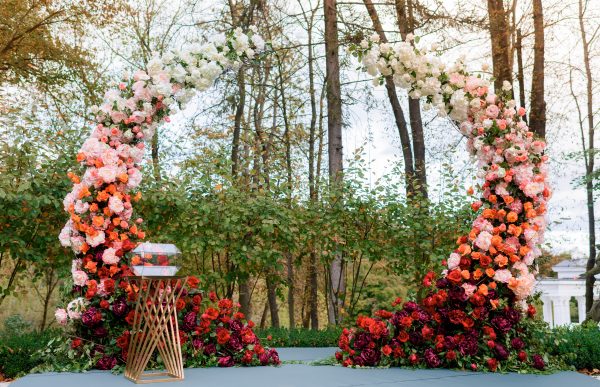

4. Seasonal and Locally Sourced Flowers
Rooted in Nature
Choosing flowers that are seasonal and locally sourced brings authenticity, freshness, and sustainability to a wedding. Flowers grown nearby not only support local growers but also capture the essence of the region, reflecting the time of year and the natural beauty surrounding the celebration. Seasonal blooms tell a story of place and moment, connecting the wedding to the rhythm of the earth.
Each season offers distinct flowers and colours. Spring showcases ranunculus, tulips, and lilacs, creating delicate and fresh arrangements. Summer celebrates dahlias, hydrangeas, and sunflowers at their peak, adding vibrant energy. Autumn brings deep-toned chrysanthemums and amaranthus, offering warmth and texture, while winter arrangements often include evergreens, hellebores, and berries that provide structure and seasonal charm. Choosing flowers in season ensures they are fresher, longer-lasting, and naturally beautiful. The season itself becomes part of the story.
Locally grown flowers allow couples to make meaningful and environmentally conscious choices. They reduce the carbon footprint, avoid long transport times, and often offer unique varieties not available commercially. Selecting seasonal blooms also encourages creativity, as florists work with what is naturally available, resulting in authentic and vibrant arrangements. Sustainability and beauty can coexist effortlessly, enriching the wedding experience.
Enhancing the Wedding Experience
Incorporating seasonal and local flowers affects not only the aesthetics but also the overall atmosphere. Fresh, fragrant blooms fill spaces with life, while the textures and colours of the season create a visual narrative that resonates with the couple and their guests. When every arrangement reflects the time and place, the wedding feels intentional, immersive, and connected to something larger than the event itself. Local and seasonal flowers add meaning, elegance, and a sense of harmony to the celebration.
Flowers that grow in the season and region of a wedding carry a subtle emotional weight. They can remind guests of home, create a sense of belonging, or evoke memories of past experiences. By embracing the natural rhythm of the environment, couples can celebrate love in a way that is personal, sustainable, and deeply connected to the world around them. Every bloom becomes part of a story rooted in both nature and memory.
5. Incorporating Symbolism and Personal Meaning
Flowers That Speak
Flowers have long been a language of emotion, carrying meanings that transcend words. Incorporating symbolic blooms into a wedding allows couples to tell their story in subtle, profound ways. Roses express love and devotion, peonies symbolise prosperity and happiness, lilies evoke purity, and orchids represent elegance and strength. By choosing flowers with meaning, every arrangement can reflect values, memories, and aspirations, turning the décor into a heartfelt narrative. Each bloom becomes a word in a story only the couple fully understands.
Honouring Heritage and Tradition
Cultural and familial traditions provide another layer of inspiration for floral design. Couples may choose flowers tied to heritage, such as marigolds in Indian weddings symbolising auspicious beginnings, olive branches in Mediterranean ceremonies for longevity, or traditional blooms from ancestral gardens. Including even a single flower from a meaningful source can transform arrangements into a tribute, connecting the celebration to both past and present. Heritage-inspired florals create depth, honouring generations while celebrating new beginnings.
Personal memories also inform floral choices. A bloom from a childhood garden, a flower present on a first date, or a plant connected to a loved one adds intimacy to arrangements. Small touches, such as a single bloom tucked into the bouquet in memory of someone absent or a favourite flower woven into centrepieces, create emotional resonance. These details may go unnoticed by many guests, but they enrich the celebration for the couple and their loved ones.
Symbolic flowers can be incorporated thoughtfully into every element of the wedding. The bridal bouquet, ceremony arch, table centrepieces, and even small accents like boutonnières or corsages can carry meaning, reinforcing the narrative of the day. This approach ensures that the floral design is cohesive and intentional, rather than decorative alone. Flowers tell stories, evoke emotion, and connect guests to the deeper significance of the celebration.
Creating a Lasting Emotional Impact
By combining symbolism, personal memories, and seasonal authenticity, couples can create arrangements that are visually stunning and emotionally meaningful. Every colour, texture, and bloom adds layers to the story, making the wedding experience immersive and unforgettable. When flowers reflect both who the couple is and what they cherish, the celebration becomes a living testament to love, memory, and personal expression.
6. Designing Cohesive Floral Arrangements
Harmony Across Every Detail
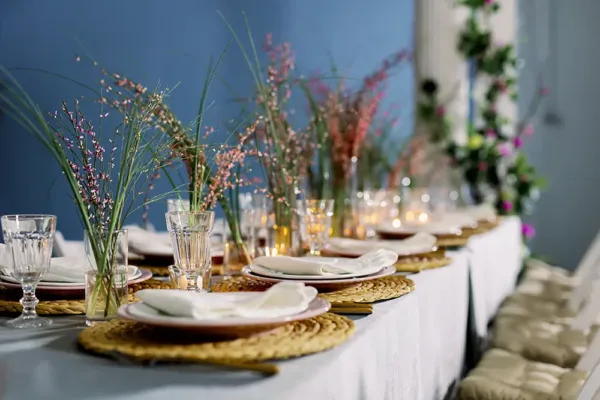
Creating a cohesive floral design ensures that every element of the wedding tells a unified story. From the bridal bouquet to table centrepieces, ceremony arches, and even small accents like boutonnières or corsages, consistency in colour, texture, and style creates a sense of harmony that elevates the overall experience. When every arrangement complements the others, the wedding feels intentional, polished, and emotionally resonant.
The choice of blooms should reflect both the couple’s story and the overall wedding theme. Romantic weddings benefit from soft, flowing arrangements with peonies, garden roses, and delicate greenery. Modern celebrations often call for bold shapes and sculptural flowers, such as orchids or calla lilies, arranged with clean lines and minimalist composition. Outdoor or nature-inspired weddings are enhanced by seasonal blooms, wildflowers, and natural textures that blend seamlessly with the surroundings. Matching flowers to the theme strengthens the visual narrative of the day.
Balancing colour and Texture
Colour palettes and textures play a crucial role in cohesion. Selecting a limited range of tones—typically three to five—and repeating them across bouquets, centrepieces, and floral installations helps unify the design. Combining textures, from soft petals to structured foliage, creates depth and visual interest while maintaining harmony. A well-balanced arrangement pleases the eye and guides the emotional journey of the celebration.
Floral arrangements should feel dynamic rather than static. Cascading blooms, trailing greenery, and varying heights can lead the eye and create a sense of movement throughout the space. This approach connects different areas of the venue, from the aisle to reception tables, and reinforces the overall design. Flow and movement in floral arrangements make every moment feel connected and alive.
Achieving cohesion requires collaboration with experienced florists who understand how to translate a couple’s vision into unified arrangements. By sharing inspirations, colours, and meaningful details, couples can ensure that each floral element contributes to the overarching story. Florists guide placement, proportion, and texture to create a seamless experience where every bloom has purpose. Expert guidance turns individual flowers into a narrative that flows naturally throughout the wedding.
Emotional and Visual Impact
Cohesive floral arrangements do more than decorate—they create atmosphere and emotion. Consistent colour schemes, thoughtful textures, and strategic placement allow flowers to tell a story, evoke feelings, and enhance the mood of every moment. When done well, guests experience a celebration that is visually stunning and emotionally memorable. Cohesion transforms flowers from simple décor into a living expression of love and personality.
7. Real Weddings: From Concept to Bloom
Bringing Stories to Life
Real weddings are living examples of how floral concepts transform ideas into unforgettable experiences. Each celebration begins with a story, a combination of memories, shared experiences, and personal tastes that shape the overall vision. Flowers act as translators of these narratives, capturing emotion, history, and personality in every arrangement. From the colours and textures to the placement and movement of blooms, every decision contributes to an immersive atmosphere. Flowers do more than decorate—they narrate the journey of a couple, creating a multisensory story that guests can see, smell, and feel.
The process begins by listening to the couple’s memories, milestones, and aspirations. Florists explore meaningful details, such as the bloom from a first date, the seasonal flowers of a childhood garden, or plants tied to cultural heritage—and translate them into tangible elements that harmonise with the wedding theme. In this way, the floral design becomes a vessel for storytelling, where each arrangement reflects a chapter in the couple’s life.
A Romantic Garden Celebration
Imagine a spring wedding set in a lush garden, where every corner of the venue is alive with soft colours and flowing textures. The ceremony arch is adorned with cascading peonies, garden roses, and lilacs, mirroring the natural growth of the surrounding foliage. Hand-tied bouquets are composed to echo the garden’s palette, blending seasonal blooms with carefully chosen greenery. Subtle fragrance from the flowers enhances the sensory experience, making each step down the aisle a memory in bloom.
In this setting, seasonal choices are crucial. Spring flowers are at their peak, offering freshness, vibrancy, and longevity for the day. The combination of personal memories—like a flower reminiscent of the couple’s first date—and seasonal authenticity creates arrangements that feel both intimate and expansive. The result is a wedding that captures romance in every petal, turning the venue into a living reflection of the couple’s love story.
Modern Elegance in the City
A contemporary urban wedding presents a different set of opportunities and challenges. In a minimalist gallery or loft space, floral arrangements need to balance sophistication with emotional depth. Sculptural blooms such as orchids and calla lilies are used to create bold, statement-making installations, while smaller details like table arrangements and boutonnieres maintain cohesion with the overall design. Limiting the colour palette to whites, greens, and deep accents enhances the sense of refinement and ensures that every element works in harmony.
This style allows for creative freedom in shape and composition, often incorporating architectural elements or unconventional placements to make the flowers feel integral to the space. By choosing blooms that are both visually striking and personally meaningful, couples can achieve an environment that feels curated and intentional. In a city setting, the flowers act as both art and storytelling, leaving a lasting impression on every guest.
Bohemian Outdoors
Bohemian weddings thrive on freedom, natural movement, and organic composition. Outdoors, in fields, forests, or vineyards, flowers are allowed to grow with fluidity, creating arrangements that reflect the wild, carefree spirit of the couple. Bouquets and centrepieces often include wildflowers, grasses, and unexpected textures, woven together with seasonal blooms that highlight the local landscape. The asymmetry and natural flow of these arrangements create a sense of authenticity, where flowers feel like an extension of the environment rather than imposed decoration.
Personal touches are especially meaningful in this style. A flower from a childhood garden, an heirloom ribbon, or a bloom tied to a family tradition adds layers of intimacy. Seasonal and locally sourced flowers reinforce sustainability, while integrating natural textures and colours enhances harmony with the surroundings. In a bohemian outdoor wedding, flowers embody freedom, personality, and the beauty of imperfection, creating a celebration that is immersive and heartfelt.
Integrating Meaning and Memory
Across all real weddings, symbolic flowers and personal memories add depth to floral design. A single bloom in memory of a loved one, a plant tied to cultural heritage, or a flower associated with a significant milestone can transform arrangements into intimate storytelling devices. These choices create quiet emotional connections, allowing the couple to honour the past while celebrating the present. Even subtle details, like a favourite flower included in the bouquet or table décor, add richness and resonance. Each bloom carries a memory, connecting guests to the couple’s journey in ways that are felt rather than always seen.
Lessons from Real Weddings
The common thread in real weddings is intentionality. Every floral decision, from concept to execution, reflects thoughtfulness and care. Cohesive colour palettes, meaningful blooms, seasonal authenticity, and placement all contribute to an immersive, emotionally resonant experience. These weddings demonstrate that flowers are more than decoration; they are a language of love, memory, and identity. When floral concepts are carefully executed, the celebration becomes a living, breathing narrative, leaving lasting impressions on everyone present.

8. Frequently Asked Questions
Question: How do I choose wedding flowers that reflect my personal story?
Answer: Start by identifying meaningful memories, favourite places, or shared experiences in your relationship. Select flowers that connect to those moments, whether through type, colour, or fragrance. Discuss these choices with your florist to create arrangements that are both visually stunning and emotionally significant. Personalised flowers tell your story without words.
Question: What are some symbolic flowers for weddings?
Answer: Roses symbolise love and devotion, peonies represent prosperity and happiness, lilies evoke purity, and orchids convey elegance and strength. Incorporating symbolic flowers adds emotional depth and can reflect cultural or familial traditions, making each arrangement unique to your celebration.
Question: When should I start planning my wedding flowers?
Answer: Begin discussing your floral vision with your florist at least 6–9 months before the wedding. This allows time to develop a cohesive design, accommodate seasonal availability, and ensure that every element aligns with your theme and personal story.
Question: How can I ensure my flowers stay fresh throughout the wedding day?
Answer: Work with your florist to choose seasonal and locally sourced blooms, which are naturally fresher and longer-lasting. Proper hydration, temperature control, and careful handling during transport and setup are essential to keep arrangements vibrant throughout the event.
Question: What are sustainable wedding flower options?
Answer: Opt for locally grown, seasonal blooms, consider potted plants or dried flowers, and work with florists who use eco-friendly practices. Avoid flowers that require long-distance transport or heavy chemical treatments. Sustainable choices reduce environmental impact while maintaining beauty and elegance.
Question: How do I match flowers to my wedding colour palette?
Answer: Select blooms that naturally complement your chosen colours. If a meaningful flower does not perfectly match, your florist can suggest similar options, mix textures, or incorporate accent greenery to create harmony. Colour coordination ensures cohesion across bouquets, centrepieces, and installations.
Question: Can I include flowers from my heritage or culture?
Answer: Absolutely. Culturally significant flowers enrich your wedding story and honour traditions. Examples include marigolds in Indian weddings, olive branches in Mediterranean ceremonies, or blooms from ancestral gardens. Including these elements adds depth and personal resonance to your celebration.
Discover how to choose wedding flowers that reflect your love story.
We offer free consultations contact us to bring your vision to life.


Bibliography / Sources
- Diffenbaugh, Vanessa. The Language of Flowers. Penguin Books, 2011.
Royal Horticultural Society (RHS). “Flower Symbolism and Meaning.” - Brides Magazine. “Flowers with Meaning for Your Wedding.”
- Floriography – A Victorian Floral Dictionary. Garden Press, 2010.
- American Society for Horticultural Science (ASHS). “Floriculture Research and Trends.”
- ScienceDirect. Floriculture Studies and Sustainability Practices. Elsevier, 2020.
- Springer. Ornamental Horticulture: Principles and Practices. Springer, 2019.
- Blacklock, Judith. Judith Blacklock Flower School: Wedding Floristry Techniques. Bloomsbury, 2018.
- Flower Council of Holland. “Sustainable and Seasonal Flower Use in Weddings.”